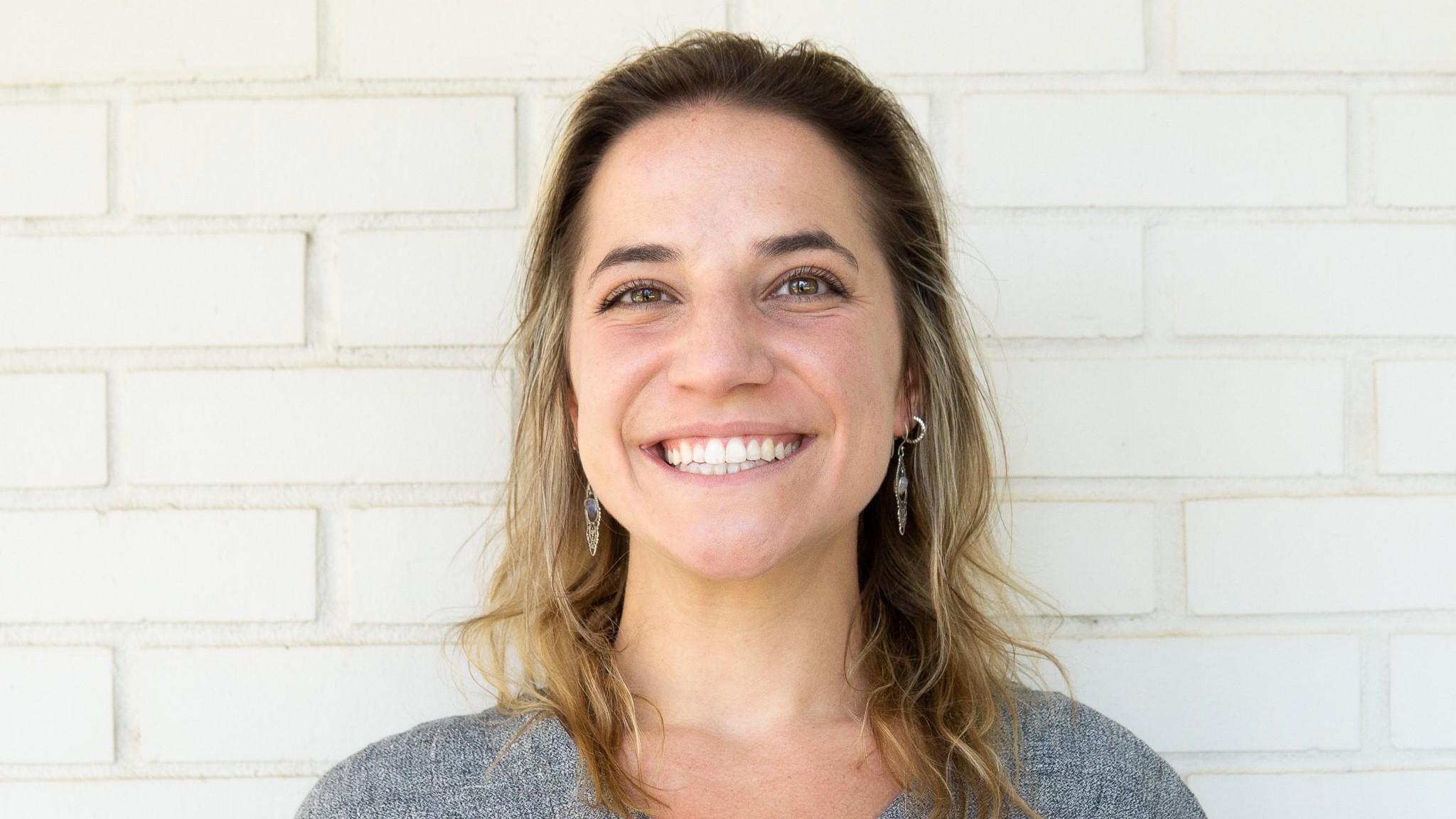
Kairavi Gardé

Kairavi Gardé, BSC Associate
Current Degree Program: B.S. in Environmental Sciences & B.A. in Sociology with a minor in Political Science
Hometown: Memphis, TN
Areas of Interest in Sustainability: Sustainability Education & Community Engagement, Biodiversity Conservation, Sustainability Reporting, Circular Economy
What does business sustainability mean to you? What do you think sustainability should mean to businesses?
To me, business sustainability is translating respect for all life into the language of the economy and modern human behavior. In creating tangibly action-oriented policies, inclusive educational programs, and new methods of operation, we can build a forward-thinking way of life to ensure the longevity of our natural resources and ourselves.
As the challenges of the future become the challenges of today, I believe every business has a responsibility to explore, redefine, and pursue ways to operate sustainably. On one level, how can businesses minimize harms in day-to-day activity through waste reduction, carbon emission analysis, employee support, and socio-environmental programs? Going beyond that, how can businesses employ creativity as a tool to emphasize care and investment in sustainability through their services and goods?
What sustainability challenge would you most like to solve?
I want to be a part of bridging the gap between diverse socioeconomic and cultural groups when it comes to understanding and practicing sustainability. Corporate sustainability, particularly in regards to conscientious consumerism, is sometimes viewed as something restricted by consumer or business budget. But so many different cultures exemplify the range of sustainable practices that can be employed through consumers and providers alike. Education and community-engaged action are powerful tools to not just keep every community in the loop on innovative new solutions, but also to elevate communities implementing unconventional or cultural sustainability solutions that stand to provide far-reaching benefits.
Who do you admire for championing positive change through business?
Kristine Tompkins, former CEO of Patagonia and self-proclaimed “student of beauty” inspires me with her powerful actions taken in conservation and through the lasting legacy of sustainable operations pioneered by Patagonia.
Kristine herself, alongside Douglas Tompkins, has conserved over 10 million acres of land; not just by purchasing and converting that land to national parks, but also by building and implementing rewilding programs that invest in the ecosystems powering that land.
Patagonia advances social and environmental sustainability principles by supporting grassroots efforts for environmental production, prioritizing fair labor, and building towards 100% recycled and regenerative materials.
Moving forward, how do you plan to use business as a force for good?
I plan to build and leverage unique partnerships to create business-powered sustainability solutions. Throughout my work in human dimensions of environmental solutions, interdisciplinary and cross-sector partnerships have played a key role in elevating communities, advancing education, and conserving resources. I’d love to play a part in bridging nonprofit work, public engagement, and educational programming with corporate sustainability to leverage corporate success for socio-environmental solutions.
What do you think are some challenges with sustainable businesses or becoming a sustainable business?
It can be hard as a business to identify simple, financially feasible ways to shift to more sustainable habits — breaking down sustainability into smaller commitments and changes is key. It can also be tricky to get company culture onboard with sustainability goals. Intentionally prioritizing sustainability requires investment: first to research the impact a business is having, and then to enact necessary changes, which could range from shifting transportation methods, to managing building operations, to even investing in carbon credits or grassroots organizations.
What’s your advice for fellow students who might be interested in sustainability, but don’t know where to start?
Start with yourself! You have power in your everyday life. Thinking about your own purchasing decisions, diet, and transportation can be a great way to start learning and sharing about sustainable habits. Beyond personal sustainability, look for volunteering opportunities or student groups that need your skillset to conduct impactful sustainability work. Everyone has a place in sustainability, from designers, to engineers, to entrepreneurs and beyond. The NCSU Sustainability website and instagram are great resources to find ways to get involved!
- Categories: