Elise Carlsten
BSC Associate and Jenkins MBA Student
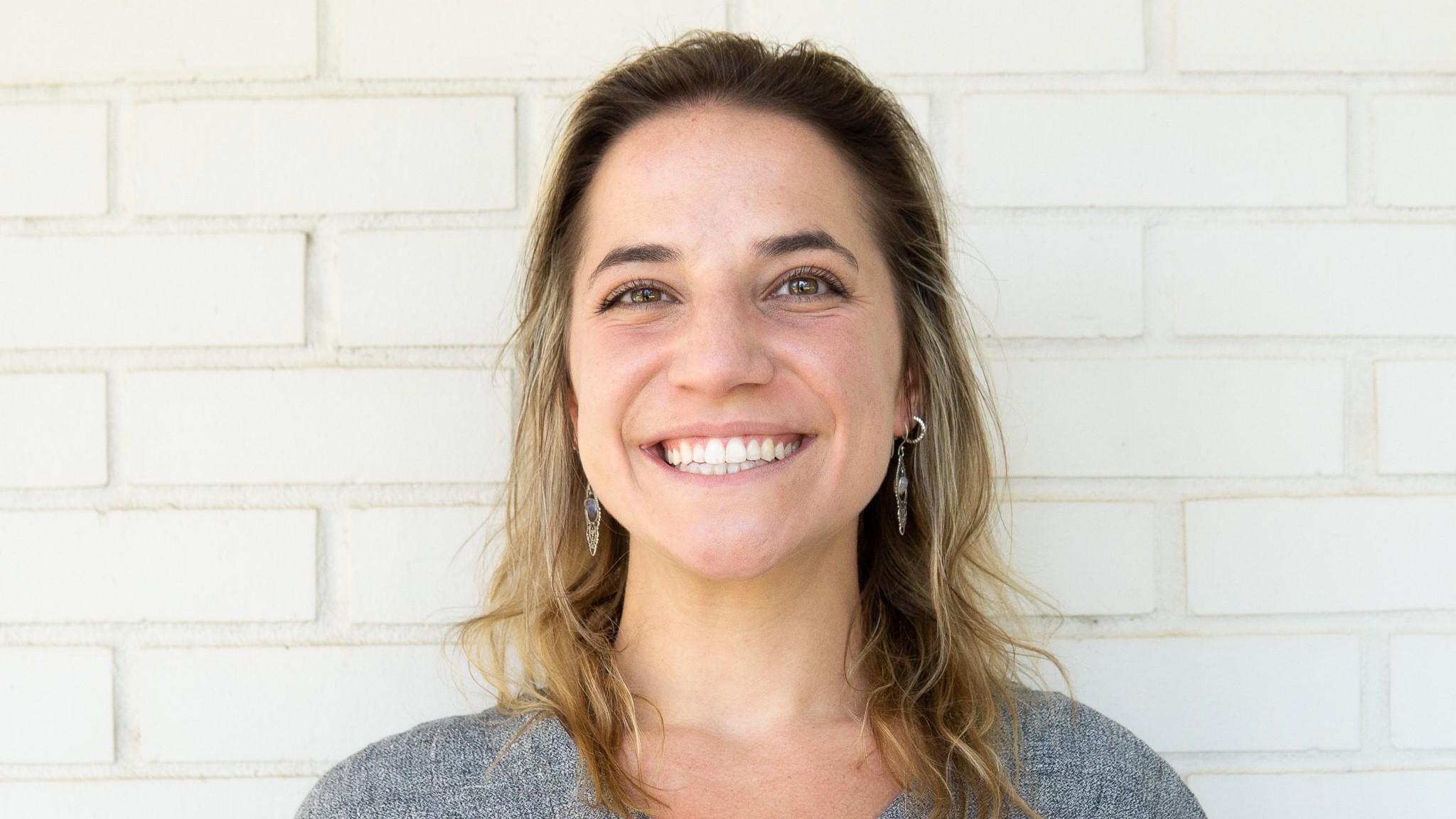
Elise Carlsten, BSC Associate
Current Degree Program: Master of Business Administration
Hometown: Charlotte, NC
Areas of Interest in Sustainability: Waste Reduction, Lowering Carbon Footprint, Equality and DEI Initiatives
What does business sustainability mean to you? What do you think sustainability should mean to businesses?
Business sustainability is the balancing of financial performance with responsibility to the environment, communities, and employees. A truly sustainable business model goes beyond profit to consider long-term impact and resilience. It is inclusive and integrates diverse perspectives into decision-making so that people of different backgrounds, identities, and beliefs are not only protected but empowered to lead. This diversity strengthens judgment, reduces blind spots, and supports durable growth. Sustainability also requires responsibility for how business actions affect natural resources, carbon footprint, and future generations.
What sustainability challenge would you most like to solve?
Reducing plastic waste and the overreliance on single-use products is the most pressing challenge, in my opinion. Rethinking materials, incorporating sustainable supply chains, improving incentives, and altering consumer behavior at a systemic level could have a greater impact than placing the responsibility solely on individual choice. Solving plastic waste requires viable alternatives, smarter design, and business models that make reuse and circularity economically attractive. It would be ideal to see sustainable products as a default instead of an option.
Who do you admire for championing positive change through business?
While there are many individuals who have created lasting impact by pushing sustainable change through business, I am particularly inspired by smaller companies that are actively reducing waste through practical, scalable models. Cleancult has grown from an online-only retailer to a brand now available in common household stores. Its business model centers on refillable cleaning products—such as dish soap and spray cleaners—that are shipped in recyclable packaging and poured into reusable glass containers. This approach reduces single-use plastic and has influenced similar models across the industry that prioritize reuse and recyclability.
Additionally, Leaf Shave utilizes a sustainable business model by offering an aluminum razor with replaceable blades that can be sent back to the company for recycling. This significantly cuts down on plastic waste common in the personal care and cosmetics industry and demonstrates how thoughtful product design can encourage broader industry change.
What do you think are some challenges with sustainable businesses or becoming a sustainable business?
Sustainable businesses often face significant challenges, including higher upfront costs, lower profit margins, and longer paths to profitability. Ethical sourcing, sustainable materials, and responsible operations frequently require greater investment before financial returns are realized. It can be difficult to convince investors that companies built on sustainable principles are financially viable and worth supporting. Too often, traditional capitalist priorities overshadow the responsibility businesses have to generate social, environmental, and economic impact. Changing this mindset remains one of the biggest obstacles to advancing truly sustainable business practices.
What’s your advice for fellow students who might be interested in sustainability, but don’t know where to start?
The most important thing to recognize is the power of your wallet, and small, intentional choices add up to create support for companies that share similar values to yours. Beyond consumption, getting involved in local efforts, whether through community cleanups, food access initiatives, or organizations like B Local, can provide hands-on exposure to how sustainability shows up in real business and community contexts. Finally, becoming more conscious of your own habits matters. Paying attention to individual waste, water and energy use, and reliance on plastic and single-use products builds awareness. Creating a more sustainable lifestyle can be easy and fun!
- Categories:


